UBI doesn't solve AI power concentration

"When AGI automates everything, we'll just implement UBI and things will be great." I hear this constantly — the default answer to what happens to workers after AGI. But UBI doesn't address the actual problem: who has power.
UBI doesn't change who controls the economy, the military, or the technology. And without citizens having some form of leverage, it's inherently unstable charity.
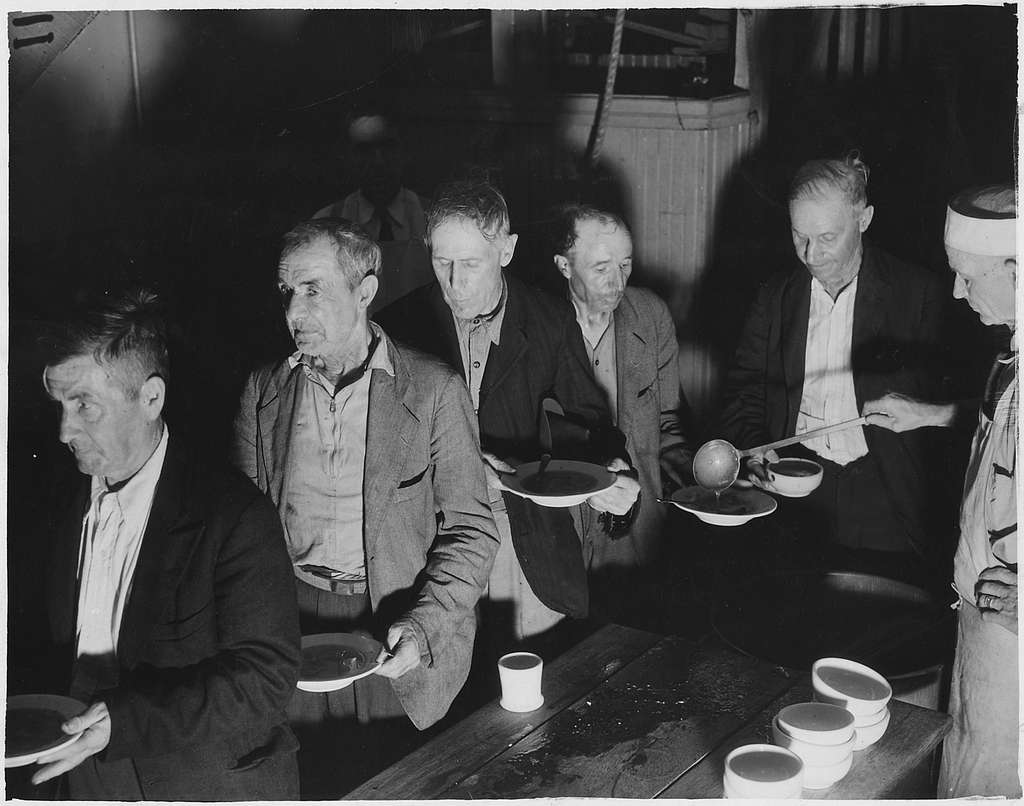
Imagine a feudal lord who owns all the land, employs all the soldiers, and controls the food supply. He announces: "Don't worry, I'll give everyone an allowance." This is roughly what UBI proposals for post-AGI look like. One entity controls the productive capacity of the economy and promises to share some of the output.
The promise is only as durable as the goodwill of whoever holds power. And it could quickly slide into something shaped to serve their interests: UBI could come with conditions — loyalty requirements, behavioral restrictions, social credit scores. And then from here it's another small slip into tyranny.
The resource curse shows us what this looks like in practice. Countries like Equatorial Guinea and the DRC have extraordinary resource wealth and desperately poor citizens. When wealth comes from resources rather than people, governments have no structural incentive to invest in people or provide UBI handouts.1Luke Drago and Rudolf Laine call this the "intelligence curse" — the resource curse applied to AI.
AGI is the ultimate version of this: an economy that runs on compute and AI, not human labor. UBI may well be good policy in the short term, but is only stable in a post-AGI world if citizens have leverage.2Or potentially some positive form of lock-in, e.g. a benevolent AGI superintelligence is placed in charge. Plausibly this can be modeled as some form of citizen leverage/power.
And AGI removes every current form of leverage that citizens could use to hold it to that choice. You can't strike when you have no economic value. You can't protest when you're under total surveillance. You can't organize when your information environment is controlled.Solving the power concentration problem robustly will require more than just income redistribution.
Footnotes
-
Luke Drago and Rudolf Laine call this the "intelligence curse" — the resource curse applied to AI. ↩
-
Or potentially some positive form of lock-in, e.g. a benevolent AGI superintelligence is placed in charge. Plausibly this can be modeled as some form of citizen leverage/power. ↩